.png)
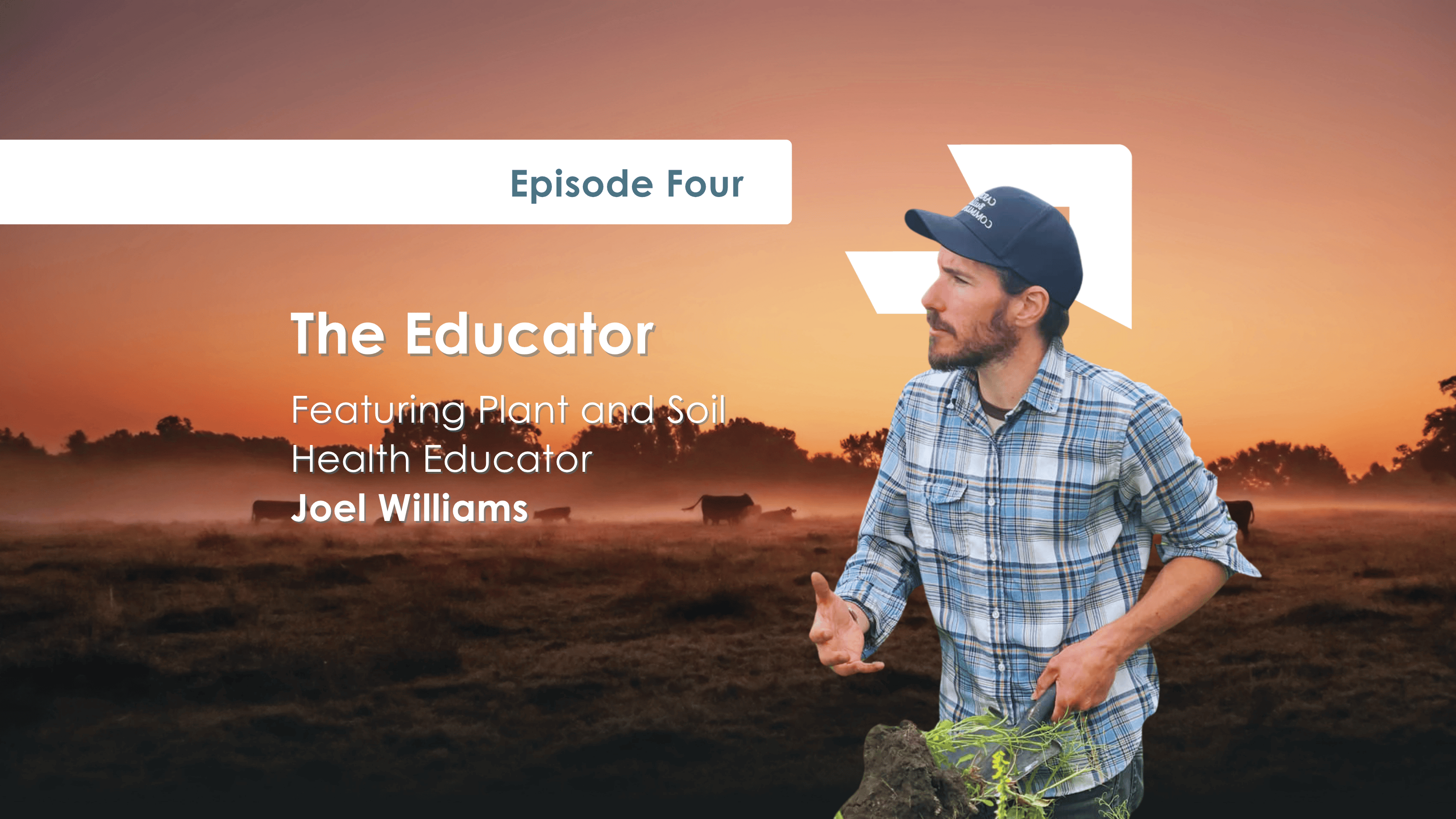
In Episode 4 of Stockyard Sessions, brought to you by Atlas Ag, we speak with independent plant and soil health educator Joel Williams to explore the connection between healthy soils, resilient farms, and thriving farmers.
Drawing on his extensive global experience in soil management and resilient grazing systems, Joel shares practical insights into how biodiversity underpins soil function and why “roots matter more than shoots.”
Joel also offers simple, everyday indicators any farmer can use to assess soil health on their property, discusses the growing movement toward soil-centric farming, and shares his thoughts on how education empowers producers to adapt, innovate, and build resilience in the face of climate challenges and evolving market demands.

”I think there's a real challenge with conventional agriculture these days. It's just become a very risky business. Sure, there's high highs out there, but there's also some deep lows. This makes sound and risk-averse business decisions really difficult to make. I think that's what soil health brings, it evens out those extremes.” - Joel
This podcast is brought to you by Atlas Ag – the team behind Atlas Carbon and MaiaGrazing. Atlas Carbon is a trusted partner who blends deep grazing expertise with a data-driven approach to design and implement soil carbon projects that genuinely work for your land, your business, and your goals for the long run.
Tune in on Spotify or Apple Podcasts, and be sure to hit ‘follow’ so you don’t miss future episodes.

.png)
.png)
.png)
