.png)
.png)
Sheep Grazier and Grass Farmer: Inside a Soil Carbon Journey
Trunkey Creek, NSW
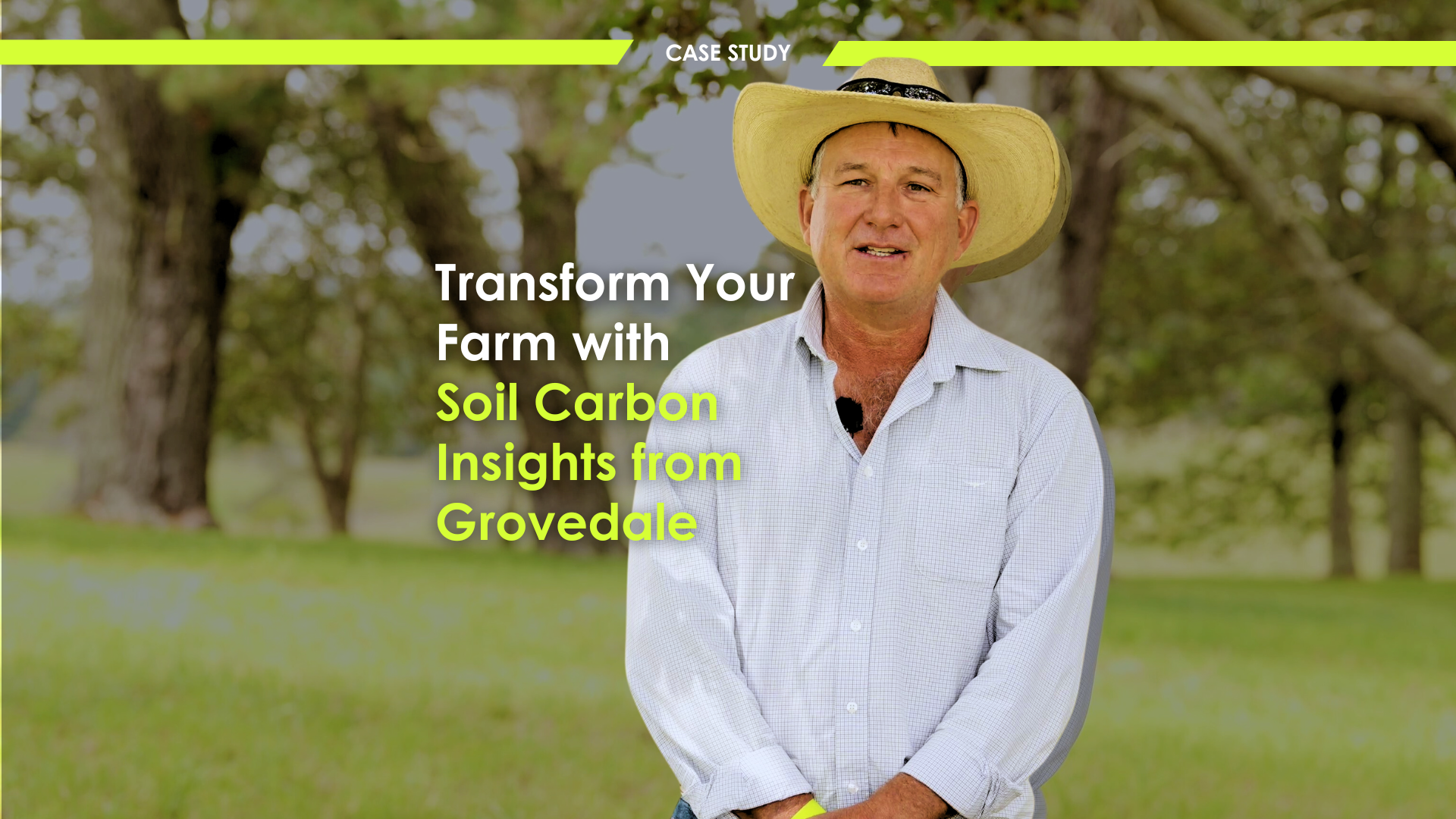
For NSW Merino sheep and Angus cattle producer Scott Brown, every decision is guided by a simple motto: 'more testing, less guessing'. It's this forward-thinking principle that led him to explore a soil carbon project for his 772ha family property, 'Grovedale'.
Scott was already making changes to his grazing management and wanted to formalise his efforts to improve the land for the fifth generation of his family. After seeing an ad for Atlas Carbon and knowing their connection to the MaiaGrazing software he already used, he took the first step.
The process began with a free, no-obligation cost-benefit analysis, which laid out the potential costs and returns over the project's 25-year life. To validate those initial numbers and ensure the project's long-term viability, the Atlas team conducted on-farm due diligence, taking detailed soil and pasture samples. This data-driven approach formed the basis of a thorough economic analysis—much like assessing any new farm enterprise—and gave Scott the confidence to commit.
For Scott, the numbers made sense. He saw the potential income from carbon credits as "an extra wool clip every four years," providing an off-farm income without leaving the farm.
While the financial returns are compelling, Scott discovered the most significant change was in his own mindset.
"I'm starting to think of myself as a grass farmer, not a sheep producer. It sounds simple, but it did take a bit to get my head around."
This shift is now guiding his management decisions, focusing on year-round grass growth to improve soil health, boost biodiversity, and drive productivity in his core business.
Scott's journey shows that a soil carbon project is more than just credits; it's a blueprint for optimising production into the future.
By partnering with Atlas Carbon, he's gained:
- A Clear Financial Forecast: A detailed analysis provided the confidence to invest in the long-term project.
- Actionable Grazing Strategies: On-farm visits from Atlas Carbon specialists helped tailor a plan to improve pasture rest, deepen plant root systems, and build soil carbon.
- Production Co-benefits: The investment in fencing and water isn't just for carbon—it enables production gains, reduces input costs, and improves the overall resilience of his business.
Scott's experience demonstrates that with the right data and expert guidance, a soil carbon project can be a powerful tool to enhance your land and secure your family's legacy.
What You'll Learn
- How a data-driven approach and thorough economic analysis (including a clear financial forecast) provide the confidence to invest in a long-term soil carbon project.
- The importance of adopting a "grass farmer" mindset and implementing actionable grazing strategies that deliver both carbon credits and significant production co-benefits, like improved soil health and business resilience.
Why it Matters
Your farm is more than just a business — it’s a legacy. A soil carbon project offers a practical, low-risk way to strengthen your bottom line and improve the resilience of your land. By leveraging your commitment to good land management, you can create a new, diversified, income stream, complimentary to your planned grazing management, infrastructure and production uplift.
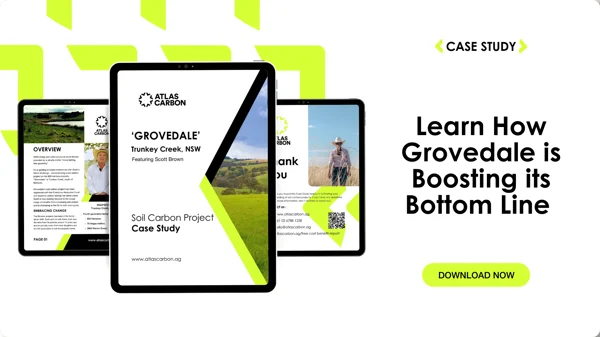
Download the 'Grovedale' case study to learn more
.png)